Signs of Termites: How to Spot a Termite Problem Before Serious Damage Occurs

Termites are some of the most destructive structural pests found in homes across New York. Because they work quietly and out of sight, many homeowners don’t realize they have a termite infestation until it's too late, and costly damage has already occurred. Knowing the early signs of termites can help you protect your home, avoid costly repairs, and take action before a small issue becomes a major problem.
At Northern Pest Control, we help homeowners identify termite signs, understand termite behavior, and stop infestations before they cause significant damage to your home.
Why Termites Are So Hard to Detect
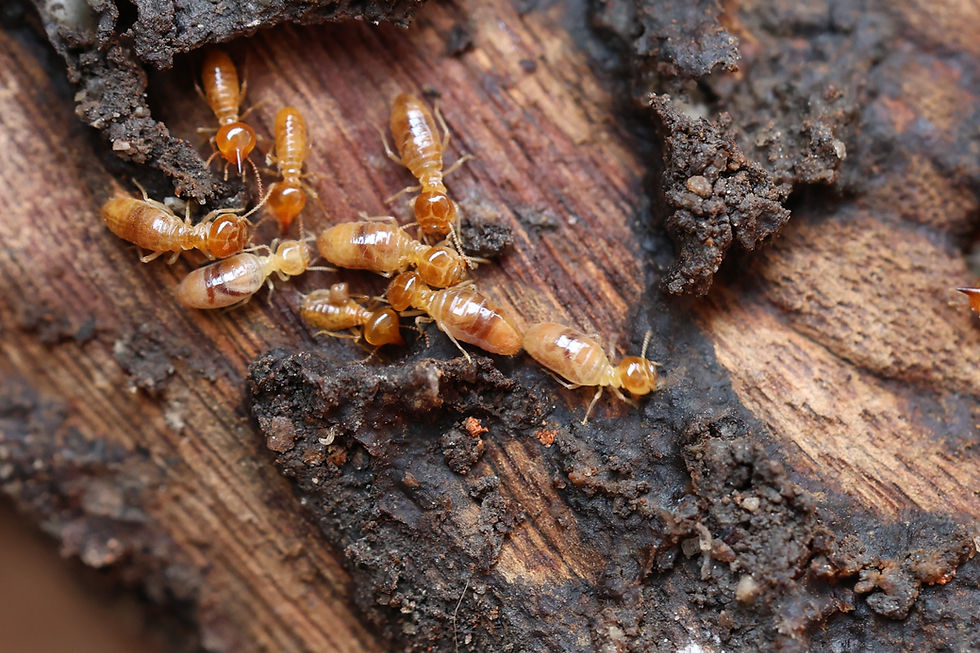
Unlike other pests, termites don’t roam your kitchen or living space. Instead, termites live inside walls, crawl spaces, and wood structures, feeding silently. A single termite may not seem dangerous, but a growing termite colony can cause severe damage over time.
Termites rely on moisture and a steady food source, which is why they’re commonly found near decaying wood, damp areas, and areas with soil around the home.
Common Types of Termites Found in Homes
Understanding termite species can help explain where and how damage occurs.
Eastern subterranean termites – The most common termites in New York. These termites live underground and build mud tubes to access wood above ground.
Drywood termites – Found inside dry wood and furniture. They do not need soil contact.
Dampwood termites – Prefer high-moisture environments and are often found in decaying wood or near leaks.
Each species has different feeding habits, but all can cause serious damage if left untreated.
Most Common Signs of Termites in Your Home
1. Mud Tubes Along Walls or Foundation
One of the clearest termite signs is the presence of mud tubes. Subterranean termites build mud tubes along exterior walls, foundations, and crawl spaces to travel between soil and food sources. These tubes protect worker termites from light and air, plus it makes it more challenging for homeowners to notice them.
If you see mud tubes, you may have an active termite infestation.
2. Hollow or Damaged Wood
Because termites eat wood from the inside out, affected areas may look normal on the surface but sound hollow when tapped. Hollow-sounding wood, blistering, or warped surfaces often indicate infested wood.
Termites prefer soft, moisture-rich wood, but they will also consume plant matter and other materials containing cellulose.
3. Discarded Termite Wings
During certain times of year, termite swarmers (also known as winged termites or reproductive termites) leave the colony to form new ones. After swarming, they shed their wings and settle in, ready to start the new colony.
Finding discarded wings or piles of hind wings near windows, doors, or light sources is a strong sign that a termite infestation begins nearby.
4. Flying Termites or Winged Insects Indoors
Seeing flying termites inside your home is never a good sign. Unlike ants, termites have straight antennae and wings of equal length. If you notice winged insects emerging indoors, especially near windows, it could signal a nearby termite colony scouting out the best place to start a new colony.
5. Termite Droppings (Frass)
Drywood termite droppings look like small pellets or grains of sand. These termite droppings are pushed out of tiny holes in wood as termites tunnel through it. Finding drywood termite droppings often means termites are actively feeding nearby.
6. Bubbling Paint
Paint that appears to bubble or peel without water damage may be hiding termites underneath. As wood termites consume internal layers, moisture can build up behind paint or drywall.
7. Damage Outdoors
Termites don’t stop at the house. Dead trees, dead plants, wood piles, and untreated fencing can all serve as a food source. Termites feed on dead wood, plant material, and soil-contact wood, then migrate toward the home. Finding them outside could mean you have discovered them before they've become a full-blown infestation.
Why Early Detection Matters
A single termite may not cause harm, but once they establish a colony, the damage escalates quickly. Termites lay eggs continuously, and as termite eggs hatch, the colony grows.
Left untreated, termites can cause costly damage, compromise the structure of your home, and require extensive wood treatment or replacement.
Professional Termite Inspection & Control
Because termites hide so well, a professional termite inspection is the most reliable way to confirm an infestation. A licensed pest control company knows where to look—inside walls, crawl spaces, and vulnerable wood structures—to identify termite activity early.
Professional termite control focuses on:
Locating the entire colony
Understanding termite life cycle and feeding behavior
Applying targeted termite treatment
Preventing future infestations
Professional treatment is the safest and most effective way to kill termites and protect your home long-term.
How to Prevent Termites
While no home is completely termite-proof, termite prevention goes a long way:
Eliminate moisture near foundations and crawl spaces
Remove wood debris and plant matter near the home
Avoid direct soil-to-wood contact
Schedule routine inspections with a trusted pest control provider
Knowing how termites think and act helps homeowners prevent termites before a termite problem starts.
Protect Your Home from Termites
Termites may be small, but the damage they cause is anything but. If you’ve noticed signs of termites, suspect an active termite infestation, or want peace of mind through prevention, Northern Pest Control is here to help.
Our experienced team provides thorough inspections, effective termite treatment, and long-term protection for homes throughout New York. Contact us today to schedule your termite inspection and protect your home from structural damage and costly repairs.


Most people don't know the difference between termites and carpenter ants. Figuring out which one in your home is key to figuring out which pest control treatment to use.
Really useful guide, especially for homeowners who don't know what to look for! The point about bubbling paint being a hidden warning sign genuinely surprised me most people would never connect that to a pest issue. Early detection is everything when it comes to structural pest infestation management; waiting until the damage is visible can cost thousands. Scheduling routine professional inspections sounds like the smartest preventive step any homeowner can take!